The Watch

The. latest developments in AI technology, shaping human creativity, the arts, and the platforms that connect them. 


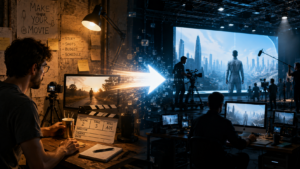
The Human Creator in the Age of AI

Tracking how technology is reshaping human creativity, music, films, the arts, and our culture.


Looking through the lens of Ai’s influence:

The music and entertainment industry is evolving faster than ever, powered by AI driven platforms, algorithms, and a culture that moves at viral speed. This snapshot explores what’s rising, what’s fading, and what creators, artists and insiders should watch closely in late 2026 and beyond.


 Streaming Is Saturated, but Still Dominant

Spotify, Apple Music, YouTube Music, Amazon Music, Tidal and Dezzer, still drive the majority of music consumption, but the playing field is more crowded than ever. With the rise of AI playlists, user-generated discovery, and backend data tools means that artists need to be informed and stay both strategic and prolific. 

The Boundaries Around Creative Work Are Disappearing

The traditional distinctions between artist, creator, performer, entrepreneur, and audience are becoming increasingly difficult to maintain.

Musicians are becoming content creators. Creators are moving into music. Actors, filmmakers, writers, visual artists, and other creative professionals are building direct relationships with audiences, trough podcasts and live streaming, no longer depending on traditional gatekeepers.  

At the same time, audiences are becoming participants in the creative process. They discover, share, remix, recommend, comment, finance, and sometimes help determine what becomes culturally significant.


AI & The Future-Forward Layer

AI Tech innovation is no longer fringe it’s here and embedded in how music is created, distributed, monetized, and experienced. AI is also moving deeper into discovery and distribution, with recommendation systems and automated tools influencing what audiences see, hear, and encounter across major platforms.

The technology offers genuine creative possibilities, but it also raises questions that cannot be ignored. When AI is trained on existing creative work, who owns the resulting output? How should human creators be credited and compensated? What happens when synthetic voices or likenesses can be created without meaningful consent? And how can audiences know whether the creative work they are experiencing was made by a person, a machine, or some combination of both?

Final Take

These are no longer distant questions about the future. They are becoming questions about the creative world we are living in now. The music industry of 2026 is platform-aware, fan-driven, and creator-led. The most successful artists are not just musicians, they are builders of experiences, ecosystems, and emotional currency

1
Streaming Dominates the Market
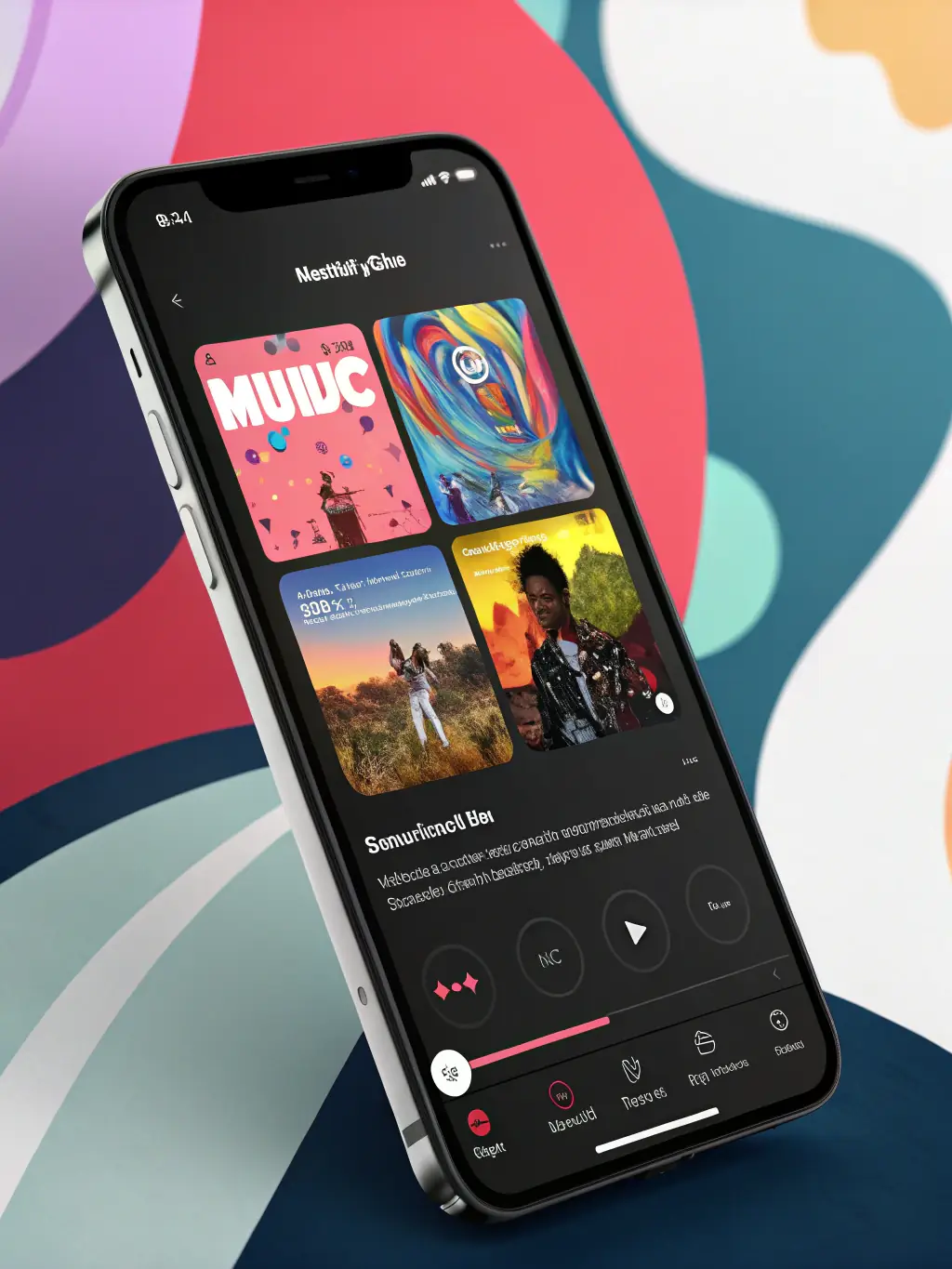
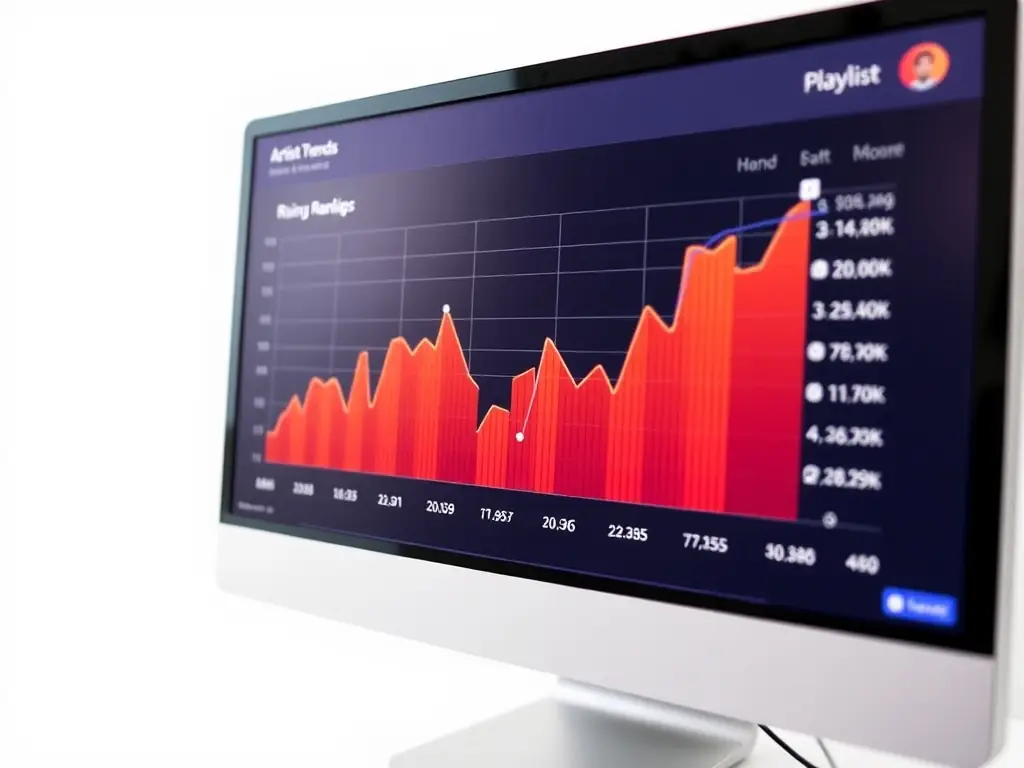
Streaming services continue to be the primary source of music consumption, driving revenue while also shaping how artists and their music are discovered in the digital age. Catalog music now accounts for more than 70% of U.S. streams, showing how much listening continues to be driven by music that has already established an audience. At the same time, emerging markets across Southeast Asia, Africa, and Latin America are helping drive the next wave of global listener growth. The market continues to grow and change, but so does the competition for attention, discovery, and a meaningful share of the value created by streaming.
1
AI Innovation in Music Production
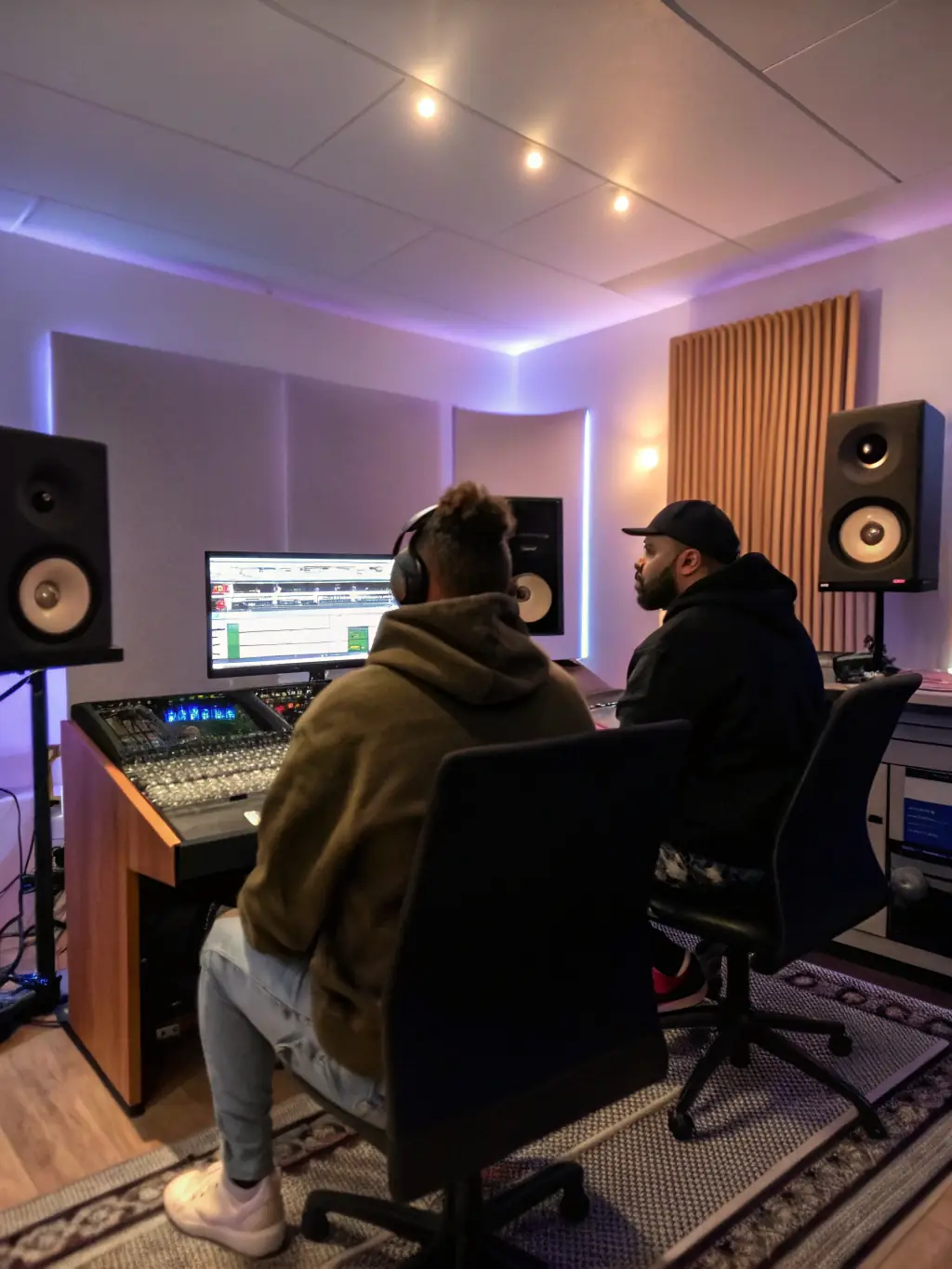
The use of AI in music production is enabling creators to experiment with new sounds and tools for making amazing synthetic music. There’s room for this, but only with clear guidelines for fair compensation for the human creators who made it possible for AI to learn in the first place. We cannot undo what has already been done. What we advocate for now is making the necessary changes to govern the current and future use of intellectual property.
1
Visual-Driven Discovery Is the New Norm   

Music is increasingly discovered through visuals, short-form videos, reactions, behind-the-scenes clips, and micro-vlogs. In many cases, the first impression happens before a track is ever played. Artists who understand visual storytelling can gain an advantage in an increasingly crowded discovery environment, while short-form platforms can influence how music travels and reaches new audiences. The way people discover music is changing. The question is whether the music itself remains at the center of that discovery.

With MMW Stay Updated on the Pulse of the Entertainment Industry Today

Music Market Watch is watching the forces reshaping music, entertainment, and human creativity. From AI and emerging technologies to changing platforms, business models, and the way creative work is made and discovered, we follow the developments that are changing the landscape.

Our goal is simple: to keep the conversation informed, open, and focused on what these changes mean for the people who create the work and the communities built around it. Stay informed. Stay engaged. Stay with Music Market Watch.

1
Human emotion, storytelling, authenticity, live performance, and personal connection remain uniquely human. AI doesn't eliminate those; it changes the tools artists use and the speed at which they can create.  What AI will do is raise the standard. If AI can generate average music instantly, then originality, identity, and genuine artistry become even more valuable. From MMW's perspective, the bigger issue isn't AI creating songs, t's how artists adapt. Questions worth asking: How does copyright evolve? How do fans identify authentic creators? How do artists stand out everyone has AI? How do artists monetize in an AI-assisted market? What becomes the new competitive advantage?
1
The next generation of streaming platforms may not be defined by how many streams they generate, but by how much value they return to artists. As musicians and creators search for sustainable careers, a growing number of platforms are shifting the focus from attention to ownership, direct fan relationships, and diversified income streams. For nearly two decades, streaming has dominated the conversation around music monetization. It transformed how audiences consume music and created unprecedented global access for creators. Yet as the industry matures, a growing number of creators are questioning whether scale alone can deliver sustainable careers.
1
We break down the trends, metrics, and market signals shaping the future of music. Every week, the music industry generates thousands of headlines. New platform launches. Viral artists. Record-breaking streams. Industry predictions. But beneath the headlines lies something even more important: the data. Music Market Watch tracks the numbers that shape the music business, from streaming growth and royalty trends to fan behavior, touring economics, platform performance, and emerging market opportunities.

Join the Conversation Shape the Future of the Community

Join us and become part of the Music Market Watch community and help shape the future of the creator and entertainment industry. Music Market Watch is a community where artists, producers, musicians, filmmakers, actors, writers, and industry professionals connect, exchange ideas, and explore the future of the industry. We spotlight today’s trends but tomorrow's creator economy will be shaped by the voices participating today.

STAY TUNED TO MUSIC MARKET WATCH

Follow Music Market Watch as we continue to report on what is happening, and continue to amplify the voices of creators, and bring greater awareness to the issues at hand. The future of human creativity matters, and depends on each and every one of us.

 Editorial Integrity and AI at Music Market Watch

Music Market Watch is committed to transparency, responsible reporting, and ethical AI-assisted publishing practices.

All content published through MMW is subject to human editorial oversight and guided by our standards for accuracy, credibility, and authentic industry analysis.

Learn More About Our Editorial Standards

© 2026 Music Market Watch LLC  All rights reserved